Stainless Steel for Food & Beverage Processing
Stainless Steel for Food & Beverage Processing In China
In food and beverage processing, stainless steel components are constantly exposed to moisture, sanitizing agents, and fluctuating temperatures. These environmental conditions, combined with the effects of cleaning chemicals and high humidity, can accelerate corrosion and surface wear. To maintain hygiene and performance, preventive measures such as passivation, proper drainage design, and regular maintenance are essential to minimize pitting, rust formation, and bacterial growth in processing environments.
Stainless Steel Shape You Can Choose
Common Stainless Steel Product Forms for Food & Beverage Processing
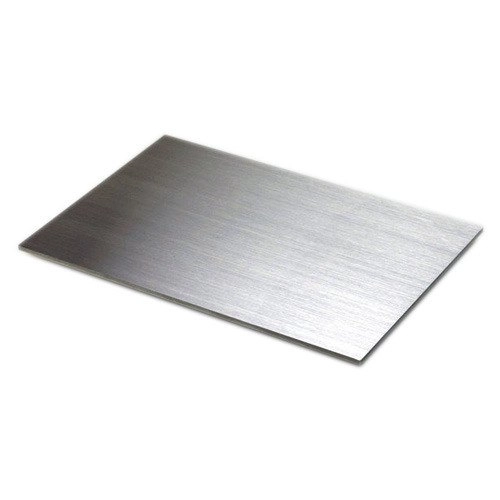
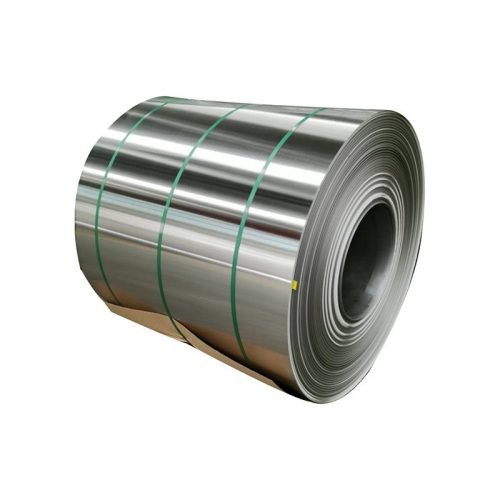
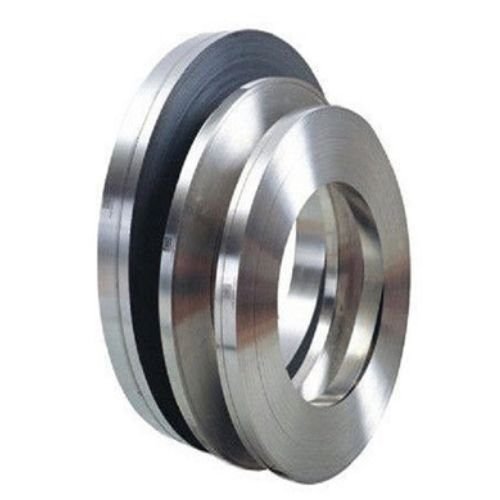
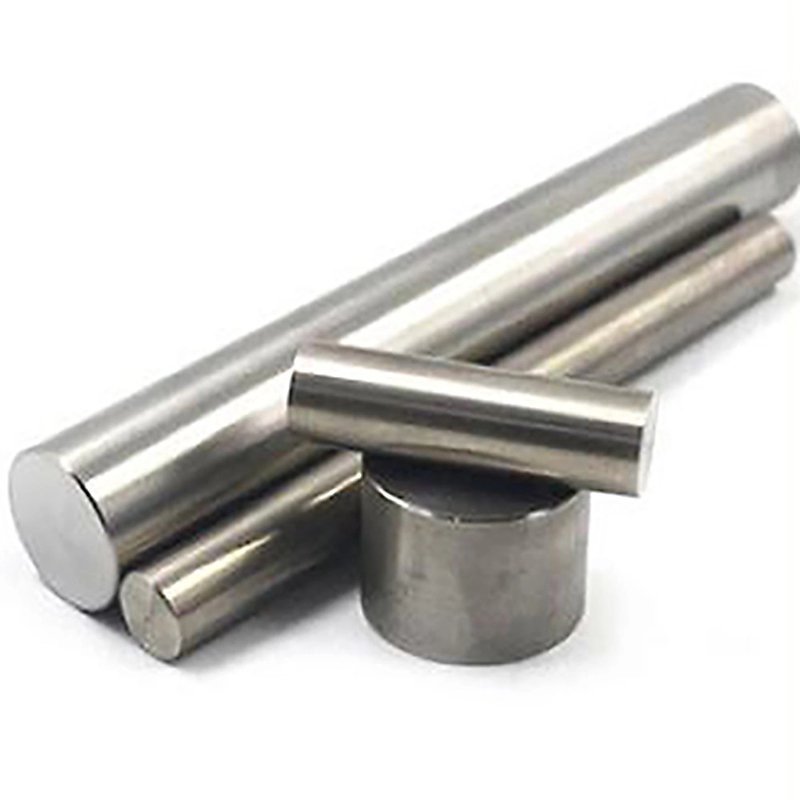
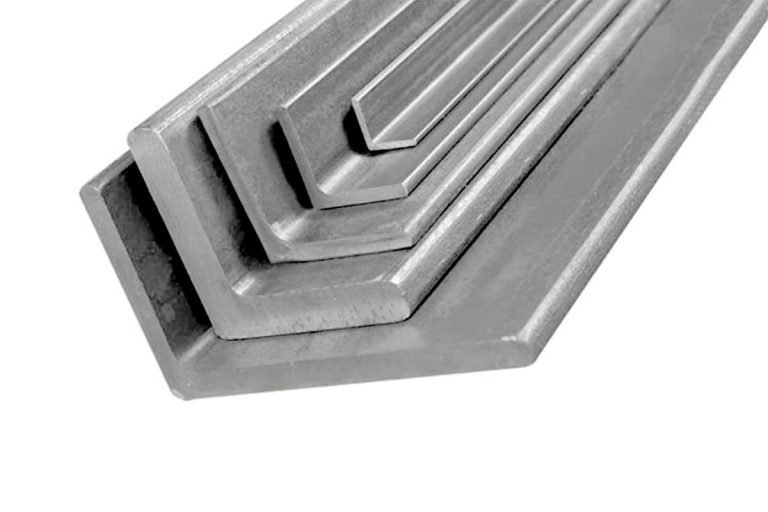
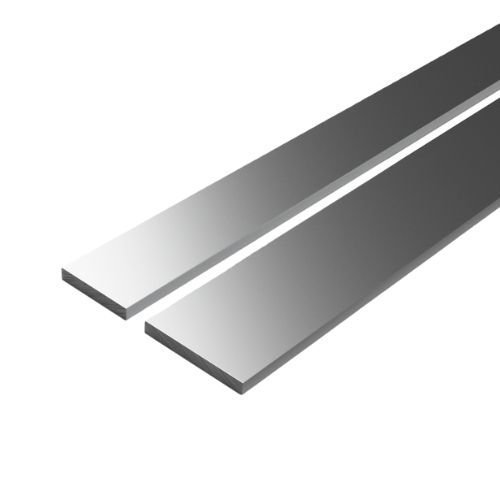
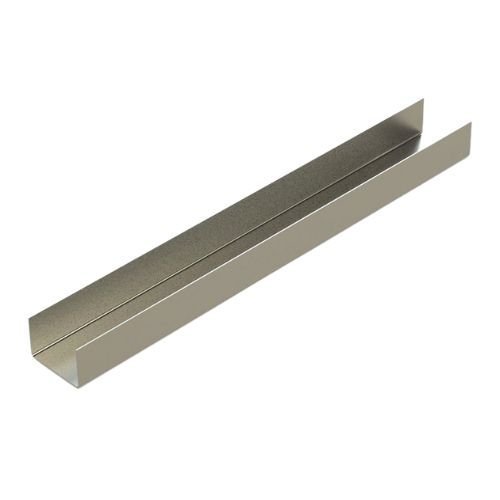
Stainless steel is supplied in multiple product forms to meet the diverse needs of food and beverage production. Sheets and plates are commonly used for equipment surfaces, enclosures, and processing tables. Tubes and pipes ensure sanitary flow systems, while bars and rods provide structural strength and support. Coils are ideal for continuous production lines, and fittings, flanges, and valves are used for hygienic connections throughout processing systems.
Different grades of stainless steel offer varying levels of performance and corrosion resistance across processing environments. 304 and 316L are widely used due to their excellent resistance to oxidation and cleaning agents, while duplex grades provide enhanced strength for demanding operations. Selection depends on process type—such as dairy, brewing, or beverage production—and the specific exposure to heat, chemicals, and cleaning cycles to ensure long-term reliability and sanitation.
Stainless Steel Grades for Food & Beverage Processing
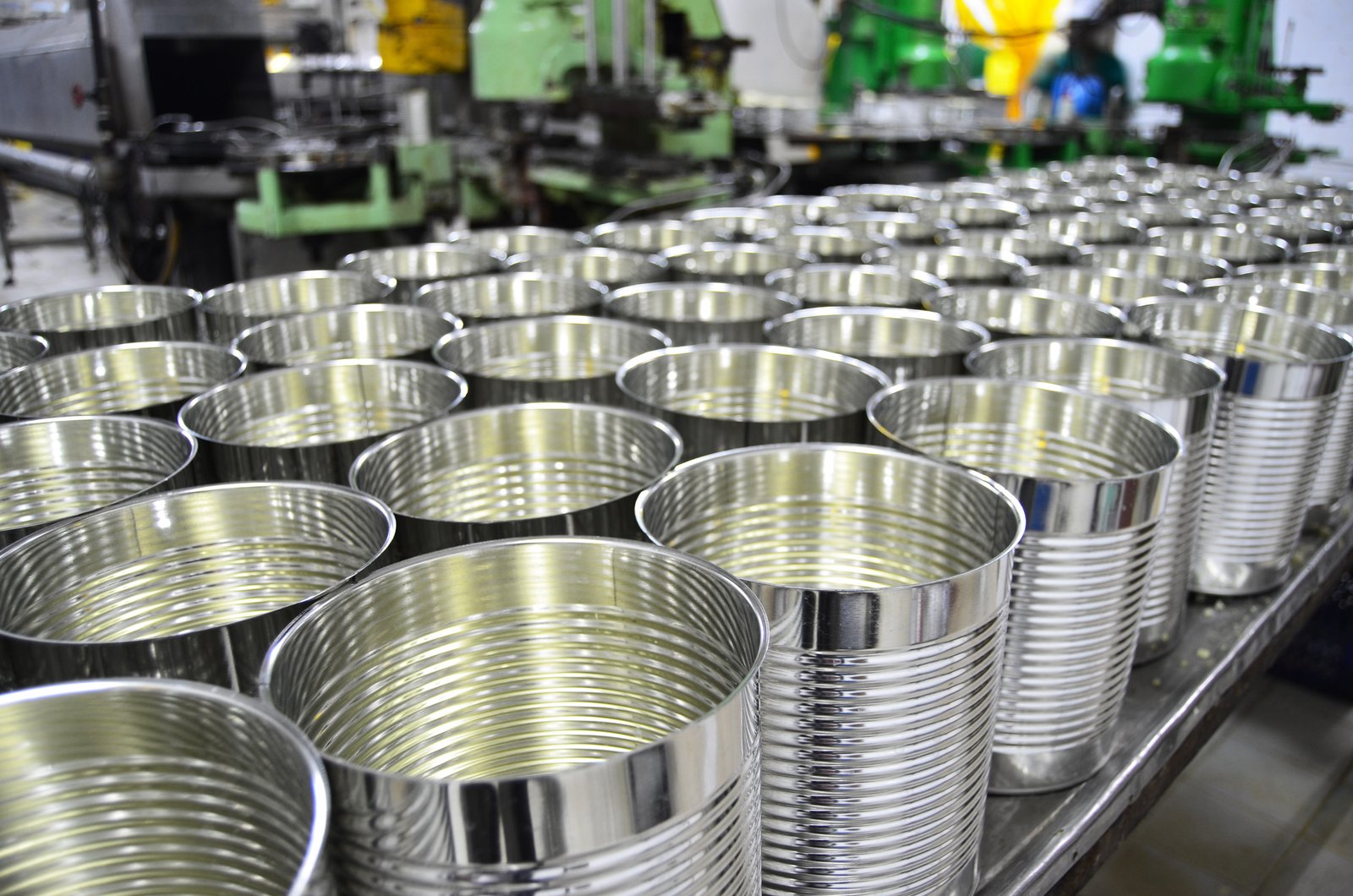
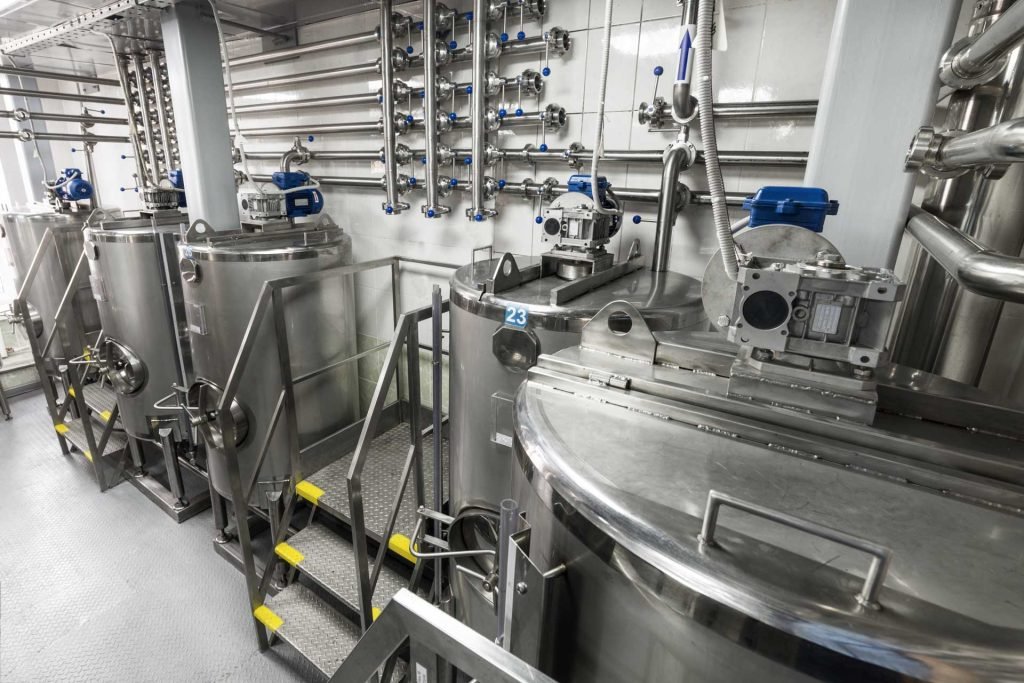
Stainless steel is used to manufacture a wide range of equipment in food and beverage plants. This includes tanks, conveyors, and mixing systems that handle raw materials and finished products. Sanitary drains, valves, and filters ensure fluid hygiene and prevent contamination. Food-grade piping and fittings maintain clean product transfer, while machinery housings, worktables, and frames provide stable, corrosion-resistant structures suitable for continuous operation and frequent cleaning.
Typical Stainless Steel Products and Components
Which stainless steel grades are commonly used in the food and beverage industry?
In the food and beverage sector, commonly used stainless steel grades include 304 and 304L for general applications due to their excellent corrosion resistance and ease of cleaning, 316 and 316L for environments exposed to acids or salt-containing ingredients, 430 for cost-effective applications with good corrosion resistance in mildly corrosive environments, 321 for high-temperature processes such as cooking or sterilization, 347 and 347H for stabilized high-temperature applications, and duplex 2205 for equipment requiring both high strength and superior corrosion resistance.
Why is stainless steel widely preferred in food processing and beverage equipment?
What grades are best for high-temperature food processing?
How does the choice of stainless steel depend on the type of food or beverage?
For mildly corrosive products like water, milk, or dry foods, 304 and 304L are usually sufficient. For acidic foods and beverages, such as fruit juices, soft drinks, or fermented products, 316 or 316L is preferred due to higher resistance to pitting and crevice corrosion. Equipment exposed to salt, brine, or cleaning chemicals may also benefit from 316L or duplex grades.