


Stainless Steel for Medical Devices & Healthcare Equipment
Stainless steel plays an essential role in modern healthcare, providing unmatched reliability, hygiene, and performance. Its corrosion resistance, sterilizability, biocompatibility, and long service life make it indispensable for medical environments. From surgical instruments and implants to hospital furniture and diagnostic equipment, stainless steel ensures durability, precision, and safety in daily medical use. This versatility and resilience have established it as a cornerstone material across the entire medical and healthcare industry.
Stainless Steel for Medical Devices & Healthcare Equipment In China
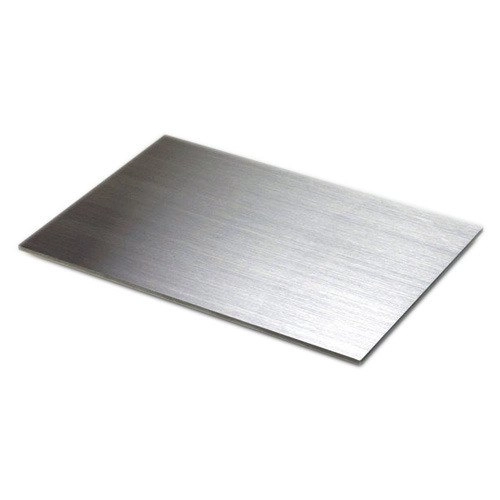
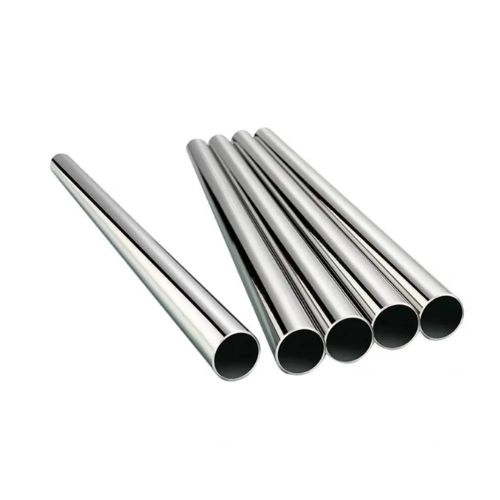
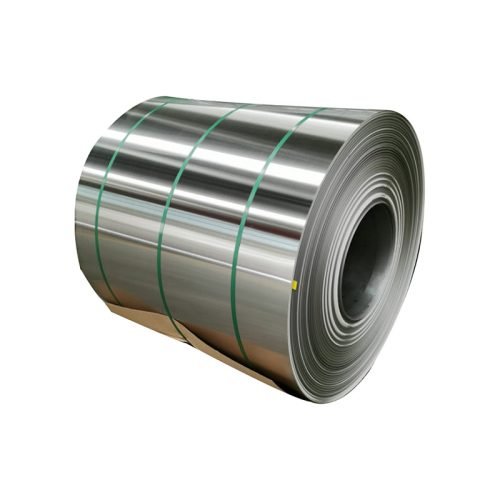
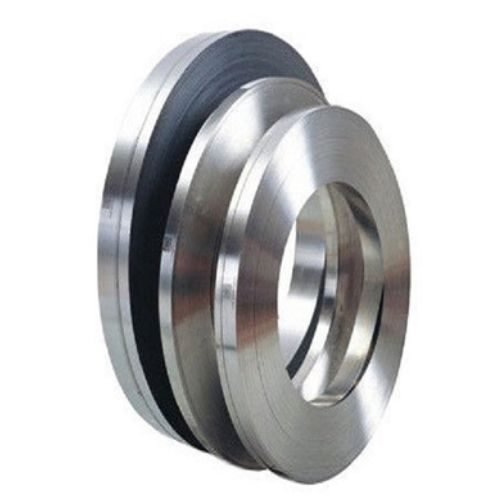
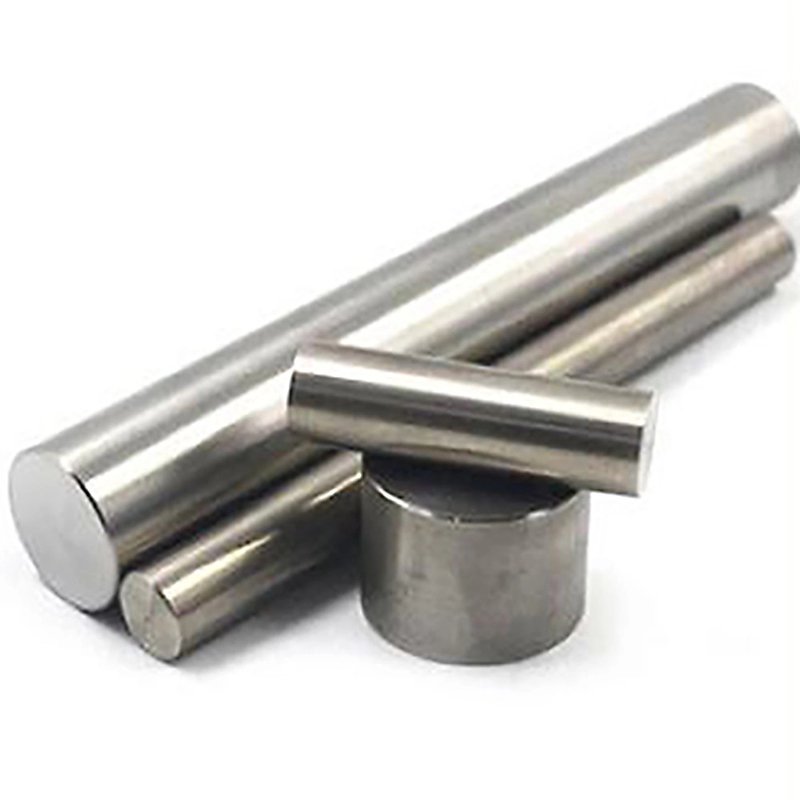
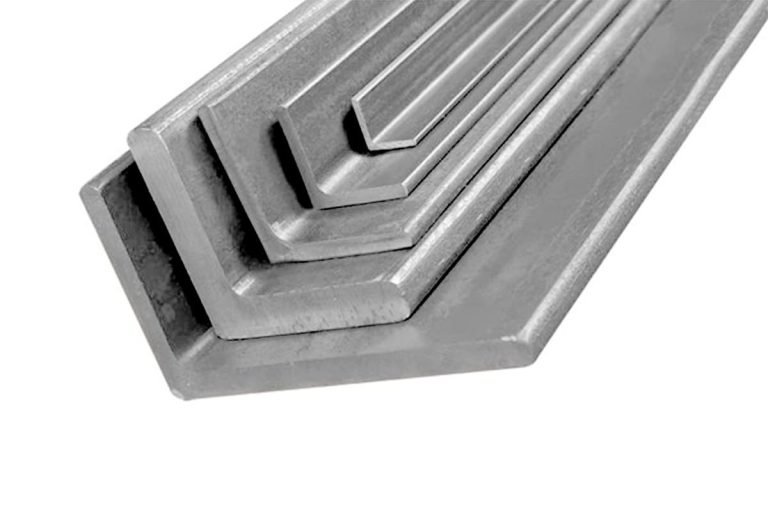
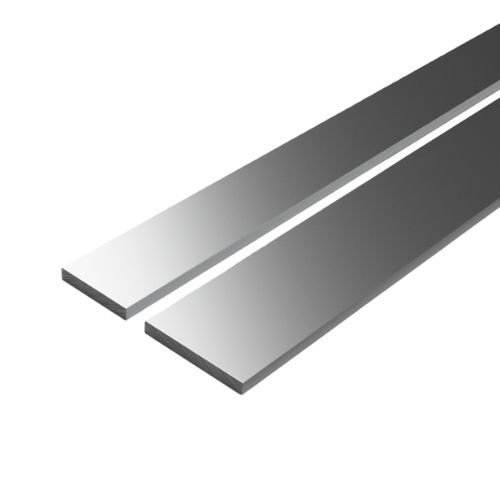
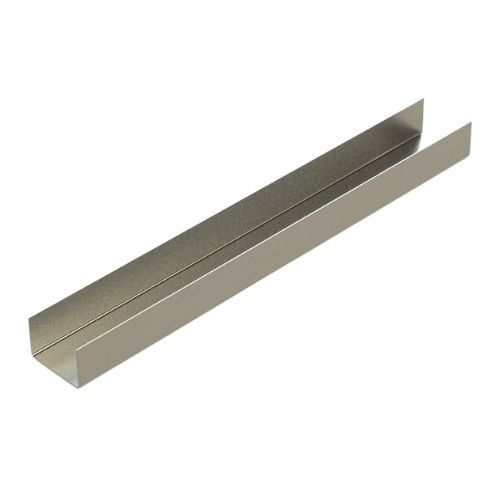
Stainless Steel Shape You Can Choose
Common Medical-Grade Stainless Steel Types
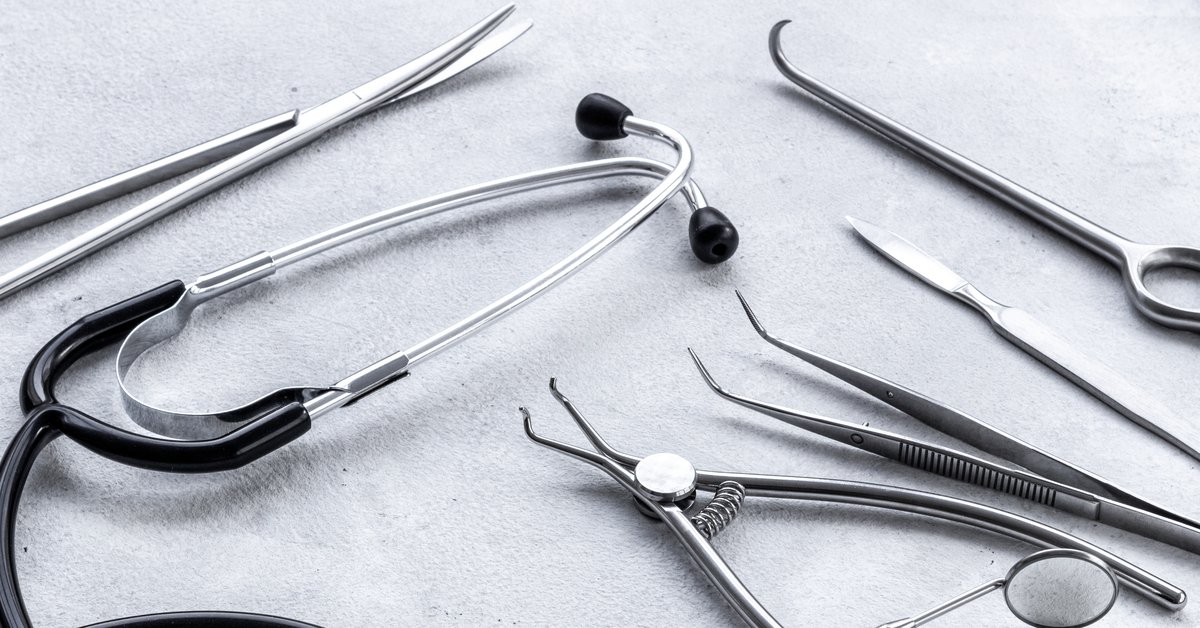
Medical-grade stainless steels combine hygienic, non-reactive, and easy-to-clean surfaces with superior strength and fatigue resistance. They maintain stability under repeated sterilization cycles and exposure to disinfectants. Their biocompatibility ensures patient safety in both external and implantable applications. In addition, their high resistance to corrosion and oxidation supports long-term use in demanding hospital and laboratory environments, making them a reliable choice for manufacturers and healthcare professionals alike.
Common Medical-Grade Stainless Steel Types
304 Stainless Steel – Widely used for surgical instruments, trays, and medical furniture due to its excellent corrosion resistance and formability.
316 & 316L Surgical Stainless Steel – Enhanced with molybdenum for superior pitting and crevice corrosion resistance, suitable for surgical and implant applications.
410 & 420 Stainless Steel – Martensitic types used for scalpels, scissors, and precision tools where hardness is key.
440 Stainless Steel – Offers excellent edge retention for cutting instruments and dental tools.
17-4PH / 630 Stainless Steel – Combines high strength and corrosion resistance, ideal for critical surgical components and precision instruments.
Which stainless steel grades are commonly used in medical devices and healthcare equipment?
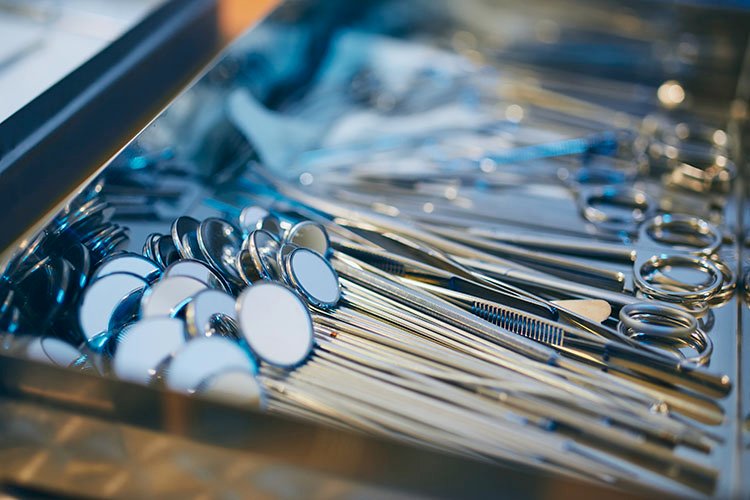
In the medical and healthcare industry, commonly used stainless steel grades include 304 and 304L for general equipment and non-critical components, 316 and 316L for surgical instruments and implants requiring superior corrosion resistance, 317L for highly corrosive environments or long-term implants, 321 and 347 for high-temperature sterilization processes, 420 and 420J1 for precision cutting instruments and blades, 440C for high-hardness tools, and precipitation-hardened grades like 17‑4 PH for load-bearing or high-strength components.
Why is stainless steel widely preferred in medical and healthcare applications?
How does the choice of stainless steel depend on sterilization and cleaning methods?
Are there specific stainless steel grades for implants and long-term medical devices?
Yes. Grades such as 316L and 317L are commonly used for implants and long-term medical devices due to their superior corrosion resistance and biocompatibility. These grades minimize the risk of corrosion-related complications and are suitable for prolonged contact with body fluids and tissues.

