


Stainless Steel for Energy & Power Generation
Stainless Steel for Energy & Power Generation In China
As global power generation continues to expand, the need for durable, high-performance materials becomes critical. Stainless steel plays an essential role in this sector, offering exceptional resistance to corrosion, heat, and pressure. Its superior durability ensures higher system efficiency, reduced maintenance, and longer operational life. Hanhuang provides reliable stainless steel solutions for the energy and power generation industries, supporting projects that demand both performance and dependability.
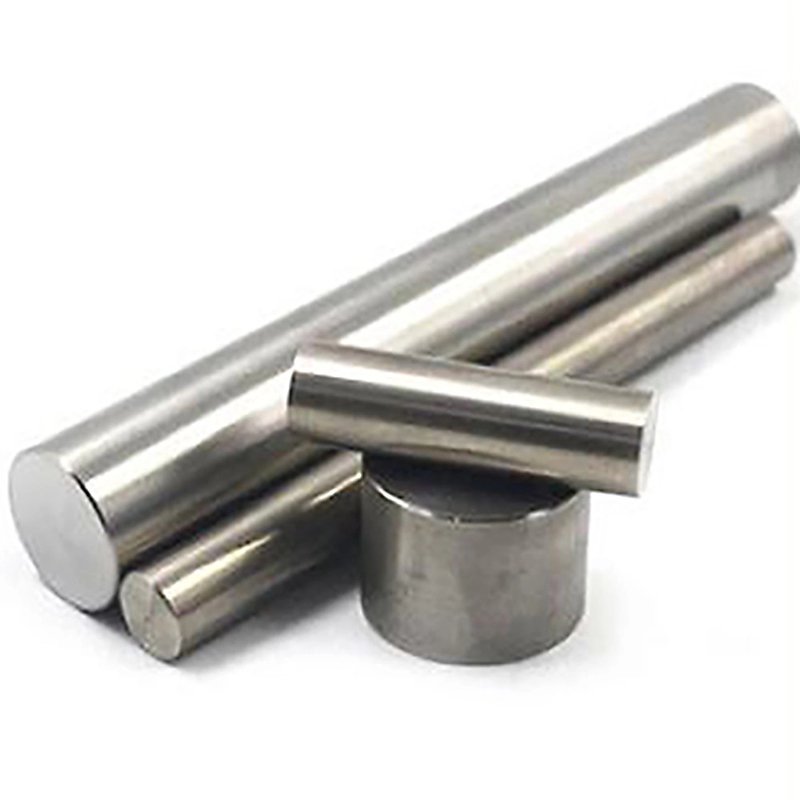
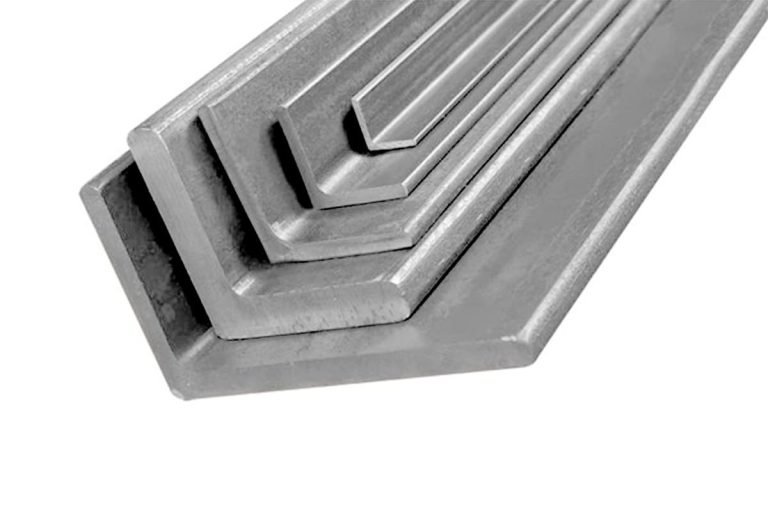
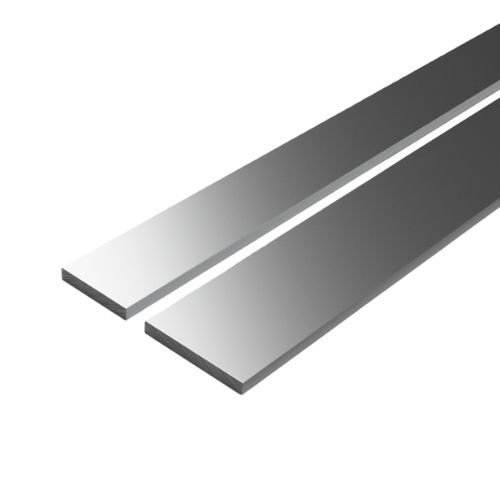
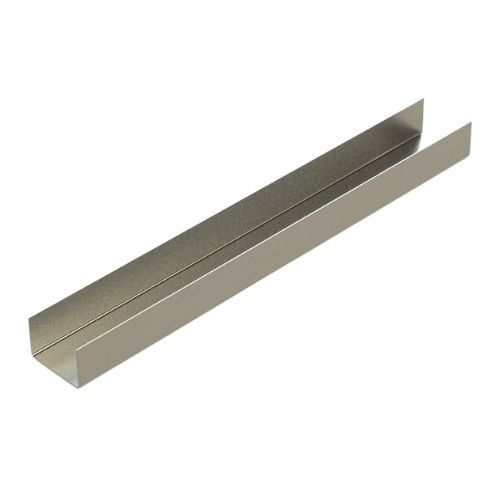
Stainless Steel Shape You Can Choose
Why Stainless Steel Is Essential for the Power Generation Industry
Stainless steel is indispensable in the power generation industry due to its excellent corrosion and oxidation resistance in high-temperature and chemical environments. Its superior mechanical strength and fatigue resistance allow components to perform reliably under cyclic thermal stress. The material’s long lifespan and minimal maintenance requirements also ensure cost efficiency. Additionally, stainless steel aligns with sustainable and renewable energy technologies, making it the preferred choice for engineers seeking both performance and environmental compatibility.
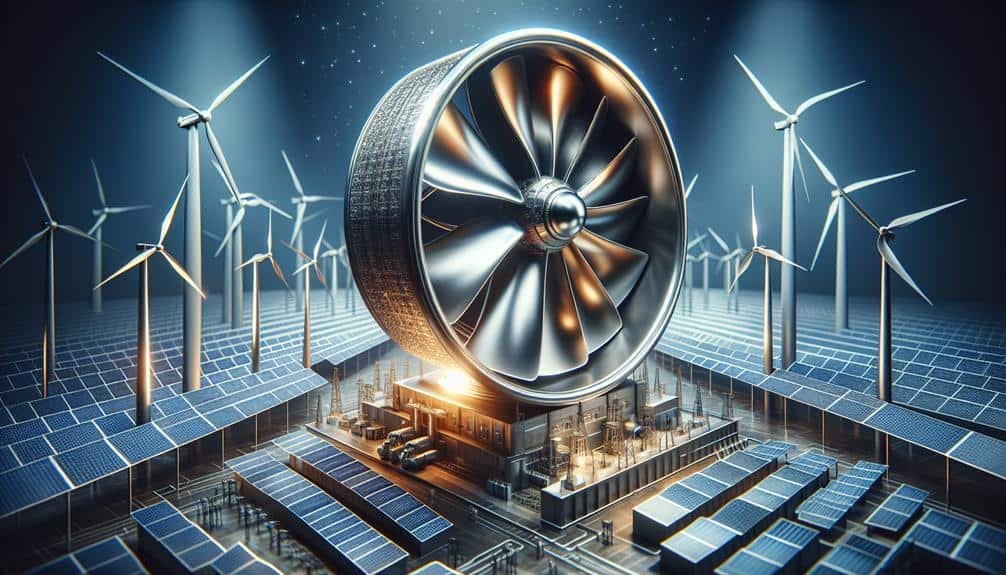
Common Stainless Steel Product Forms for Energy & Power Generation
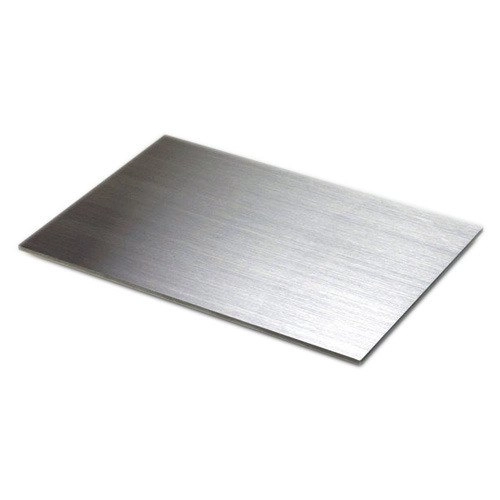
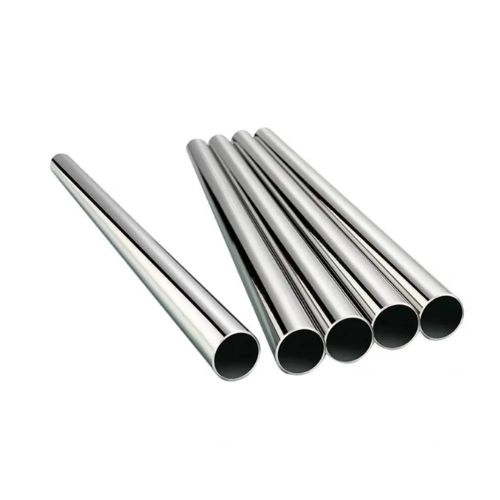
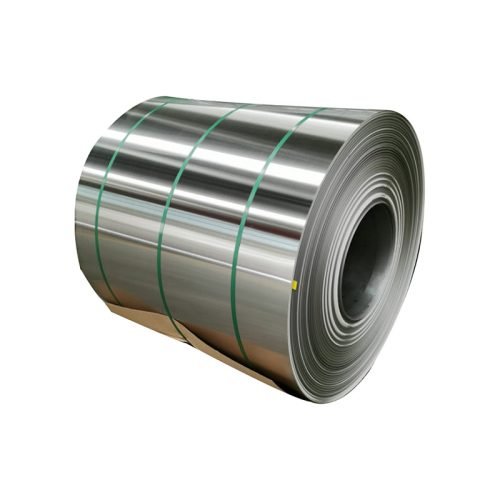
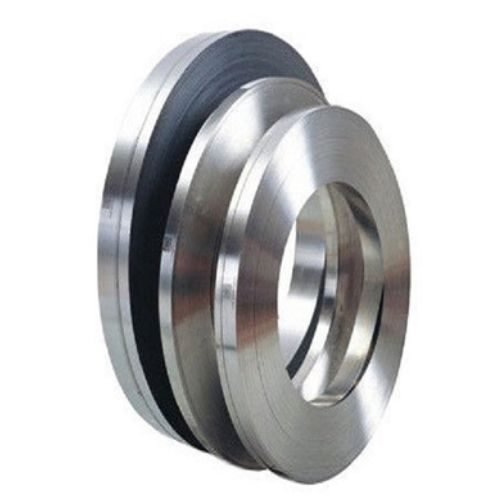
Hanhuang supplies a comprehensive range of stainless steel forms tailored for energy and power applications. Sheets and plates are used in boilers, pressure vessels, and heat exchangers. Pipes and tubes serve in condensers, cooling systems, and steam lines. Bars and rods are ideal for turbine shafts, fasteners, and load-bearing supports, while coils and strips are used in insulation covers and enclosures. We also provide custom profiles and fabricated parts for turbines, reactors, and other specialized energy equipment.
Common Stainless Steel Grades Used in Energy & Power Generation
Hanhuang offers a wide selection of stainless steel grades to meet diverse operational requirements. 304 / 304L are commonly used for general corrosion resistance and ease of fabrication. 316 / 316L deliver enhanced pitting resistance for offshore and chemical environments. 321 and 347 are stabilized grades designed for high-temperature and pressure applications. Duplex and Super Duplex (2205, 2507) provide high strength and excellent chloride resistance in oil and gas systems. 410, 420, and 430 are heat-resistant options for turbines and wear components, all meeting ASTM and ASME standards.
Which stainless steel grades are commonly used in the energy and power generation sector?
In the energy and power generation industry, commonly used stainless steel grades include 304 and 304L for general-purpose applications, 316 and 316L for enhanced corrosion resistance in marine or chemical environments, 310 and 310S for high-temperature components, 321, 347, and 347H for stabilized high-temperature applications, 904L for highly corrosive acidic environments, duplex 2205 for its combination of high strength and corrosion resistance, and precipitation-hardened grades like 17‑4 PH for critical structural components requiring high strength and fatigue resistance.
Why is stainless steel widely used in power plants?
When should high-temperature stainless steels like 310S be chosen?
High-temperature grades such as 310S are selected for components exposed to temperatures typically between 650 and 1100 °C, including furnace linings, heat exchangers, and turbine parts. These steels resist oxidation and scaling while retaining mechanical strength under prolonged high-temperature operation.
Are precipitation-hardened stainless steels used in energy equipment?
Yes. Grades such as 17‑4 PH and 15‑5 PH are often used for turbine shafts, high-load structural supports, and fasteners. They offer a balance of high strength, fatigue resistance, and corrosion resistance, which is essential for critical components in both conventional and renewable energy systems.

