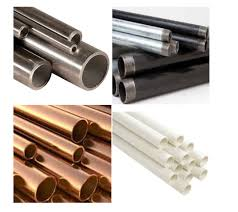
Whether you’re setting up a high-pressure pneumatic system, designing a cutting-edge processing plant, or just trying to avoid that one leak that ruins your day, tubing material plays a key role. Choosing the right one isn’t just a “pick and hope” exercise—it’s about matching performance, safety, and longevity to your industrial environment. Let’s dive in and break it down, KDM style.
Understanding Your Industrial Application Needs
Before picking a tube and hoping it works, we need to get a grip on what your application truly demands. Think of it like picking shoes—you wouldn’t wear flip-flops to climb a mountain. Tubing selection comes down to environmental conditions, physical and mechanical requirements, and compliance standards.
Environmental Conditions
- Temperature extremes (high/low): Some applications feel like the Sahara; others, the Arctic. Materials like PTFE handle high temps like a champ, while PVC keeps it cool for low-temperature systems.
- Exposure to chemicals, UV, moisture: If your tubing meets corrosive chemicals or constant moisture, metals like stainless steel or high-resistance plastics are your friends. For outdoor setups, EPDM laughs in the face of UV and ozone.
- Outdoor vs indoor environments: A simple rule—know your battlefield. Indoor setups allow more flexibility; outdoor ones demand corrosion-resistant armor.
Physical and Mechanical Requirements
- Pressure ratings and load capacity: High-pressure lines? Stainless steel or reinforced composites are your go-to. Don’t skimp—tube collapse is not a fun time.
- Dynamic vs static tubing requirements: Moving parts need flexibility; stationary pipelines can tolerate rigidity.
- Flexibility and movement: Silicone and rubber tubing excel where curves and bends are the norm.
Compliance and Industry Standards
- Food & beverage: FDA and NSF/ANSI certifications ensure safety and hygiene.
- Industrial applications: BS EN, ISO 9001, ASTM, and API are your safety nets—don’t ignore them.
Types of Tubing Materials and Their Applications
Choosing tubing is like choosing tools—each has its purpose, advantages, and quirks. Let’s walk through the lineup.
Stainless Steel Tubing
- Grades: 304, 316, and others.
- Applications: Pharmaceutical, food processing, oil & gas, marine environments.
- Advantages: Corrosion resistance, high strength, withstands extreme temperatures, and won’t leach into sensitive fluids.
Galvanized and Carbon Steel Tubing
- Applications: Construction, manufacturing, water supply.
- Advantages: Cost-effective, durable, rust-resistant thanks to zinc coatings. Perfect for outdoor or less sensitive industrial applications.
Copper Tubing
- Applications: HVAC, refrigeration, plumbing, medical gas delivery systems.
- Advantages: Excellent thermal conductivity, ductility for easy installation, and naturally bacteriostatic.
Aluminium Tubing
- Applications: Automotive, aerospace, hydraulic systems, framing systems.
- Advantages: Lightweight yet strong, corrosion-resistant, and easy to bend—ideal where weight matters.
Plastic and Composite Tubing
- Types: PVC, PTFE, Nylon, reinforced composites.
- Applications: Chemical transfer, high-purity systems, electrical insulation.
- Advantages: Chemical resistance, flexible, cost-effective, and versatile.
Rubber Tubing
- Types: Silicone, EPDM.
- Applications: Fuel lines, cooling systems, air/water hoses.
- Advantages: Flexible, resilient, resistant to chemicals, weather, and heat.
Key Performance Parameters
Tubing isn’t just about material—it’s also about design specifics.
Tubing Hardness
- Ensures leak-free connections.
- Must be compatible with fittings—too hard or soft, and you’re asking for trouble.
Wall Thickness
- Matches pressure ratings and tube size.
- Industrial standards ensure safety and durability across the board.
Surface Coatings and Corrosion Protection
- Options: Galvanization, epoxy, polyethylene.
- Protection depends on material and environmental factors—don’t skimp if corrosion is in play.
Mechanical Strength and Durability
- Look at tensile strength, flexibility, and impact resistance.
- High-strength tubing lasts longer and tolerates demanding conditions.
Manufacturing Processes and Quality Control
How tubing is made affects performance, longevity, and cost.
Welded vs Seamless Tubing
- Welded: Cost-effective, versatile, suitable for medium-pressure applications.
- Seamless: Stronger, ideal for high-pressure and critical systems.
Hot Rolling vs Cold Rolling
- Hot rolling: Great for large pipes, consistent properties.
- Cold rolling: Precision, smooth finish, tighter tolerances—think high-accuracy requirements.
Advanced Coating Technologies
- Fusion-bonded epoxy, polyurethane, corrosion-resistant coatings.
- Extends lifespan, reduces maintenance, improves performance in harsh environments.
Quality Control Measures
- Testing, inspections, and certifications guarantee reliability.
- Visual, dimensional, ultrasonic, and radiographic checks keep defects out.
Industry-Specific Applications
- Oil & Gas: Seamless, high-pressure-resistant tubing is the norm.
- Power Generation: Boilers, heat exchangers—durable, high-temperature-tolerant tubing is critical.
- Manufacturing & Industrial Equipment: Alloy steels handle wear, tear, and heat.
- Construction & Structural Applications: Galvanized and carbon steel pipes shine in structural integrity.
- Food, Beverage & Pharmaceutical Processing: Stainless steel keeps things clean, corrosion-free, and compliant.
Cost, Maintenance, and Lifecycle Considerations
Cost vs Performance Trade-offs
- Seamless vs welded: higher performance or budget-friendly? Choose based on project demands.
Longevity and Maintenance Requirements
- High-quality materials reduce downtime, replacements, and long-term headaches.
Sustainability and Recycling
- Steel is highly recyclable. Choosing recycled or sustainable materials reduces environmental impact and aligns with green initiatives.
Working with Trusted Tubing Suppliers
Custom Solutions and Bulk Orders
- Get what you need, exactly how you need it.
Certifications and Compliance Assurance
- Ensure suppliers can prove their tubing meets industry standards.
Supplier Reliability and After-Sales Support
- The right partner ensures smooth delivery, technical support, and service continuity.
FAQs
- What types of tubing are best for high-pressure applications? Seamless steel or reinforced composites.
- Which tubing resists corrosive environments? Stainless steel, galvanized steel, or coated metals.
- How to ensure leak-free connections? Match tubing hardness to fittings and check wall thickness.
- Are recycled materials a good choice? Absolutely—steel is highly recyclable and environmentally friendly.
Conclusion
Selecting the right tubing isn’t just a choice—it’s an investment in reliability, safety, and efficiency. By understanding your industrial application needs, knowing the material options, evaluating performance parameters, and partnering with a trusted supplier, you can ensure your system runs smoothly for years. Browse our selection today and make the smart, professional choice for your next project.
For inquiries or custom solutions, reach out to Hanhuang Steel and experience unparalleled expertise in stainless steel piping systems.