What is Food Grade Stainless Steel?
Definition and Regulatory Standards (FDA, EU, NSF/ANSI)
When it comes to preparing food safely, the quality of the equipment you use matters. Food grade stainless steel is specifically designed to withstand wear, heat, and chemical exposure while keeping food safe and uncontaminated. It meets strict regulatory standards, including FDA, EU Framework Regulation (EC) No 1935/2004, and NSF/ANSI 51, ensuring that any food contact won’t compromise safety or quality.
Food-grade stainless steel is formulated to minimize impurities such as lead, cadmium, and sulfur. A protective chromium oxide layer, maintained through proper passivation, prevents corrosion and inhibits contamination, making it ideal for direct food contact.
Chemical Composition and Key Elements (Chromium, Nickel, Molybdenum, Carbon)
Key elements determine the performance of food-grade stainless steel:
- Chromium (Cr) – Provides corrosion resistance. Typical levels: 17–20% in 304, 16–18.5% in 316.
- Nickel (Ni) – Adds stability and resistance to acidic foods. Typical levels: 8–11% in 304, 10–14% in 316.
- Molybdenum (Mo) – Enhances resistance to pitting and crevice corrosion, especially in 316 stainless steel.
- Carbon (C) – Kept low (≤0.8%) to reduce brittleness and maintain durability.
Why Stainless Steel is Ideal for Food Applications (Durability, Corrosion Resistance, Cleanability)
Stainless steel is a perfect fit for food processing because it is:
- Durable – Withstands repeated use and harsh cleaning chemicals.
- Corrosion-resistant – Handles acidic, salty, and high-moisture environments.
- Easy to clean – Smooth, electropolished surfaces prevent microbial buildup and simplify sanitation.
Common Food Grade Stainless Steel Grades
Austenitic Grades (304, 316, 18/10, 18/8)
The most common austenitic stainless steels include 304, 316, 18/10, and 18/8.
- 304 (18/8 or 18/10) – Excellent corrosion resistance and durability for general food applications.
- 316 – Contains molybdenum, offering superior resistance to pitting, acidic foods, and salt. Ideal for seafood, citrus, and tomato processing.
These grades are non-magnetic, highly hygienic, and suitable for almost any food contact equipment.
Ferritic Grades (430, 18/0)
Ferritic stainless steels, such as 430 and 18/0, contain little or no nickel:
- 430 (17% Cr) – Magnetic, affordable, resists stress corrosion cracking, suitable for housings, filters, and splashbacks.
- 18/0 – Lower corrosion resistance than 300-series, magnetic, sometimes used in cutlery where durability is acceptable.
200 Series and Other Grades
The 200 series uses manganese instead of nickel, reducing corrosion resistance. While still technically food-grade, it is not as robust as the 300-series.
Side-by-Side Comparison of Properties (Corrosion Resistance, Strength, Heat Resistance, Cost)
| Property | 304 SS | 316 SS | 430 SS |
| Corrosion Resistance | Good | Excellent | Moderate |
| Strength | High | Very High | Moderate |
| Heat Resistance | Up to 870°C | Up to 800°C | Up to 850°C |
| Cost | Affordable | Higher | Low |
Corrosion Types and Prevention
Pitting and Crevice Corrosion
Localized corrosion can occur in acidic or chloride-rich environments. Pitting forms deep, small holes, while crevice corrosion develops in narrow gaps.
Stress Corrosion Cracking
Cracks may appear in susceptible objects under combined heat and corrosive environments. This is especially important for equipment exposed to high stress.
Intergranular Corrosion
Also called weld decay, this occurs near weld zones where localized attacks compromise the steel structure.
Surface Treatment and Maintenance (Electropolishing, Cleaning, Proper Use)
- Electropolishing – Improves oxide layer, smooths microscopic peaks, reduces food sticking.
- Cleaning – Use non-abrasive methods to avoid damaging the protective layer.
- Proper Use – Follow manufacturer guidelines to prevent corrosion and extend service life.
Performance in Food Applications
Temperature and Heat Resistance
- 304 – Reliable up to 870°C, suitable for most cooking and thermal processes.
- 316 – Handles high and low temperatures better, ideal for sterilization and repeated heating/cooling cycles.
Chemical and Acid Resistance
- 316 – Resists acids, salts, and chlorides; recommended for tomato, citrus, and seafood processing.
- 430 – Resistant to nitric and organic acids, but less effective against reducing acids.
Durability and Mechanical Strength
Both 304 and 316 are highly durable; 316 is superior in harsh chemical or mechanical environments. 430 is suitable for moderate use where cost is a factor.
Hygiene and Cleanability
All smooth, non-porous surfaces allow easy cleaning, reducing bacterial adhesion and contamination risks.
Selecting the Right Stainless Steel for Your Needs
Considerations Based on Food Type (Acidic, Salty, Neutral)
- Acidic – Prefer 316 SS.
- Salty – 316 offers better resistance; 304 may suffice for lower salt concentrations.
- Neutral – 304 or 430 depending on budget.
Cleaning Methods and Equipment Use
Use soft brushes and gentle cleaners. Avoid steel brushes or harsh abrasives that compromise the oxide layer.
Cost vs Performance
Balance upfront cost with long-term durability: 316 is more expensive but reduces maintenance and replacements. 304 offers a good compromise for general applications.
Common Misconceptions (When 316 is Not Necessary)
Not all applications require 316. For example, dairy processing may function well with 304 unless exposed to harsh disinfectants or biofilm-forming bacteria.
Applications in the Food Industry
Food Processing Equipment
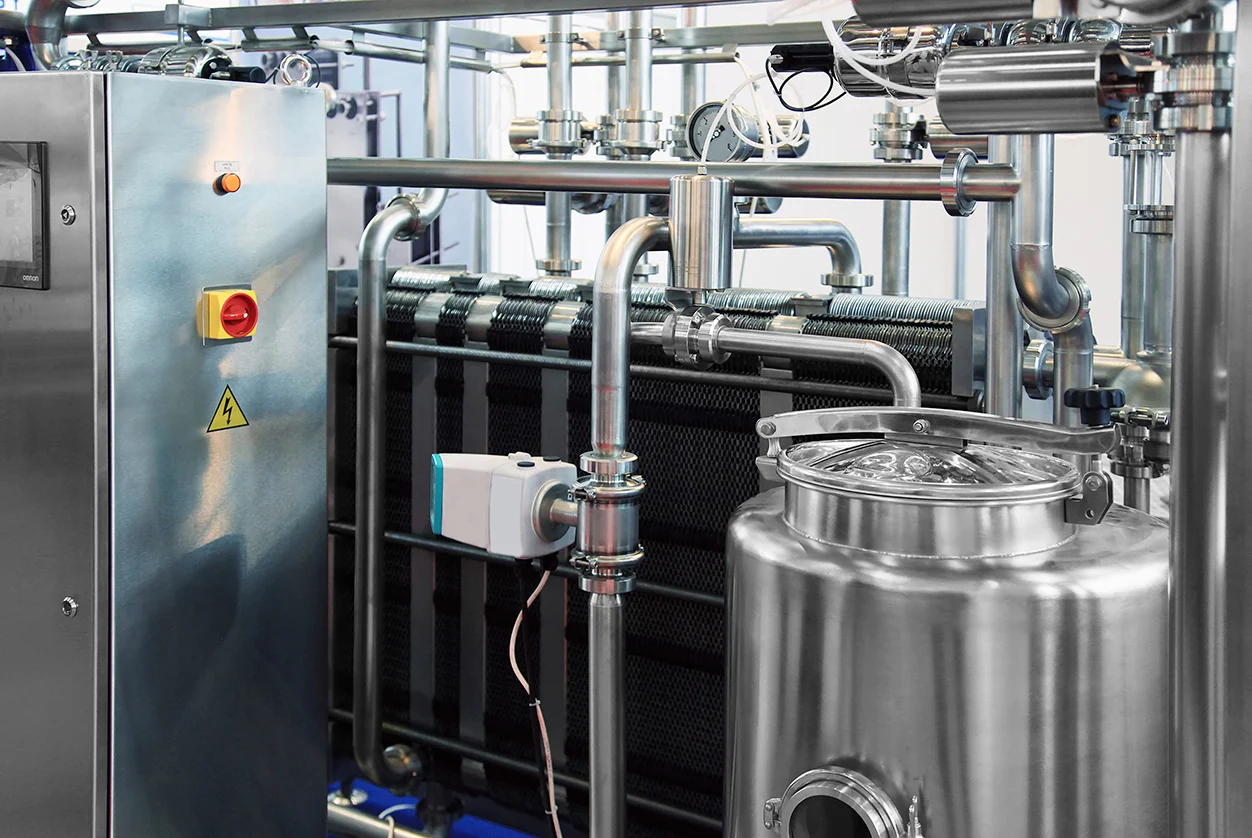
Most food-grade machinery uses 304 or 316 for tanks, mixers, and processing vessels due to chemical and mechanical resistance.
Containers and Trays
Baking trays, storage containers, and metal baskets are commonly 304 or 316, depending on food acidity and exposure.
Pipework and Sinks
Pipe systems and sinks benefit from 304 or 316 for corrosion prevention and hygiene compliance.
Cutlery and Kitchen Tools
Cutlery can use 18/10, 18/8, or 18/0, balancing durability, magnetic properties, and cost.
Conclusion and Recommendations
Summary of Key Takeaways
- 304 and 316 are the most reliable food-grade stainless steels.
- 430 and 18/0 offer cost-effective alternatives for less demanding applications.
- Corrosion resistance, cleanability, and durability are key for food safety.
Best Practices for Long-Term Use and Maintenance
- Use electropolishing when possible.
- Follow proper cleaning protocols.
- Match stainless steel grade to food type, environment, and equipment stress.
- Regularly inspect for corrosion, wear, and mechanical damage.
With the right choice and proper care, food-grade stainless steel equipment will last for years, keeping your food safe and operations efficient.
For inquiries or custom solutions, reach out to Hanhuang Steel and experience unparalleled expertise in stainless steel piping systems.