Stainless Steel for Automotive
Stainless Steel for Automotive Manufacturer in China
Lightweight and high performance combined with high strength are very crucial for automotive industry. Fortunately, stainless steels have met all these criteria. This material can also provide cost-effective, highly efficient, and durability to various vehicle structural designs.
In addition, stainless steel is also fire and impact resistance providing optimal safety. It offers excellent manufacturability and high strength to ensure energy absorption under impact. Most car designers and engineers preferred to use stainless steel for space frame car structure.
With its shiny surface, stainless steel doesn’t need to undergo ay secondary machining such as painting or galvanized. Thus, making it easy to clean and environmentally-friendly aside from its recyclability.
Lower stainless steel gauged means the material has high strength. Therefore, using stainless steel can significantly reduce the vehicle overall weight and fuel cost without compromising quality.
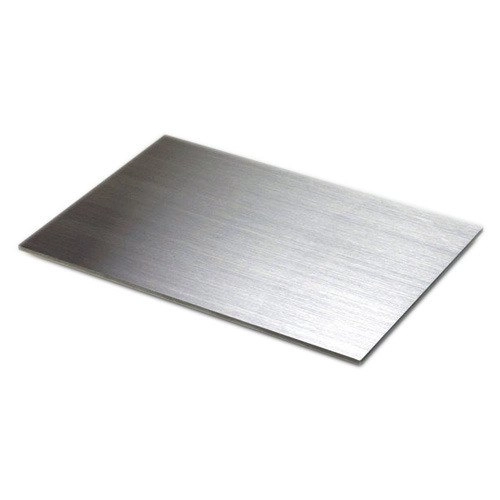
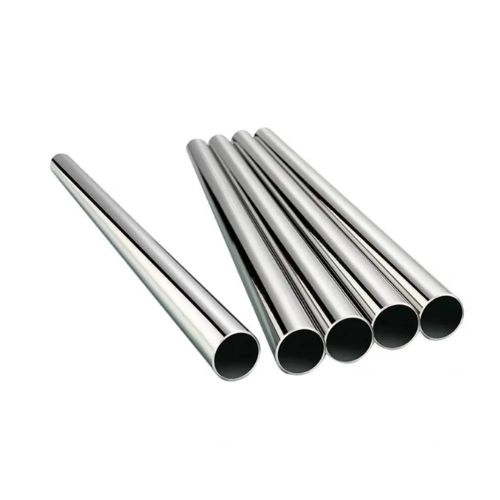
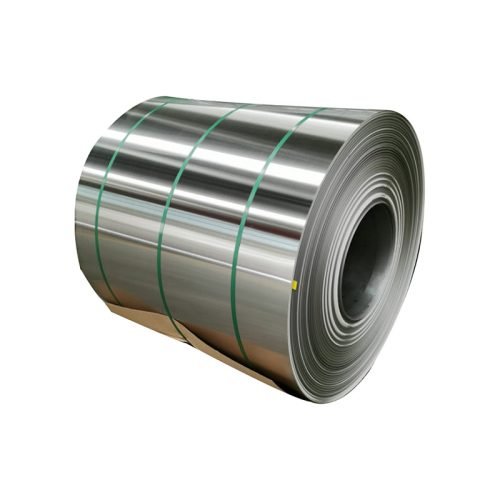
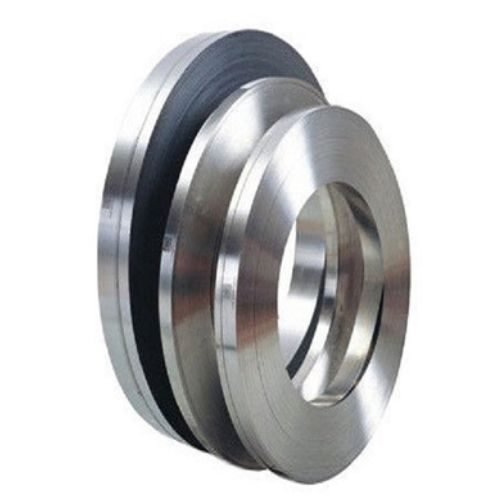
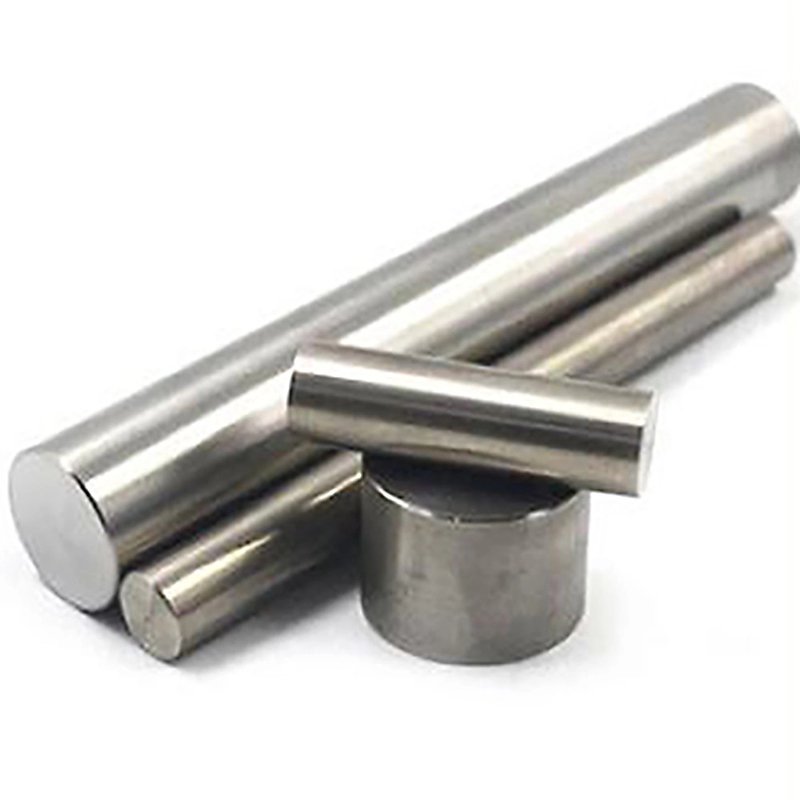
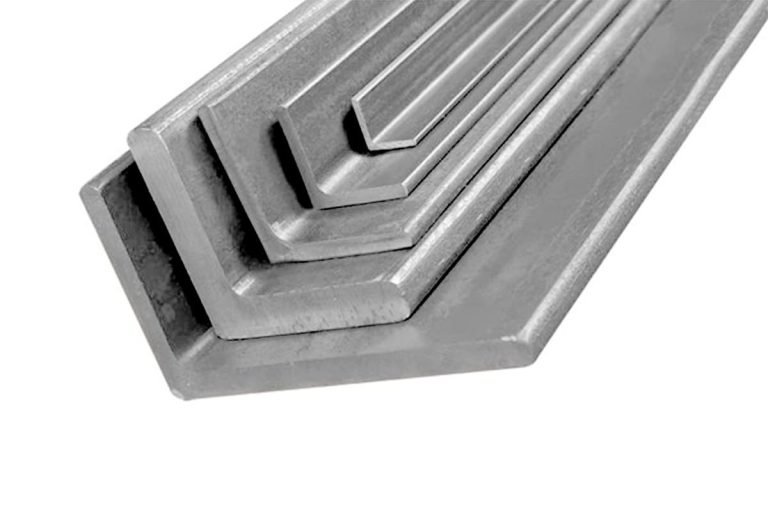
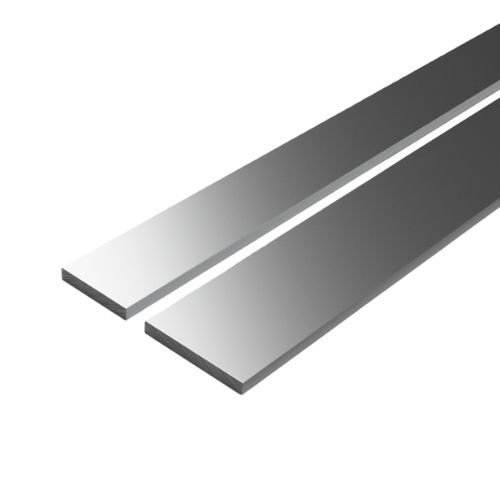
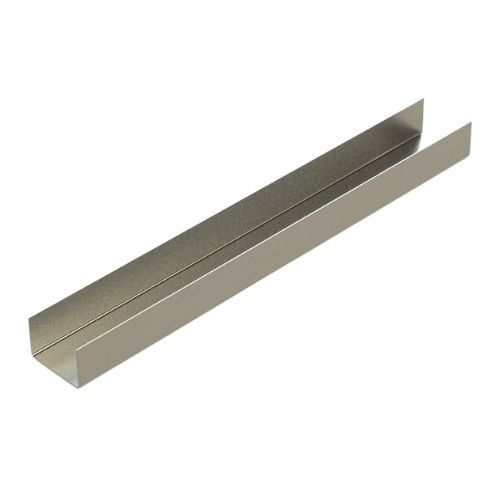
Stainless Steel Shape You Can Choose
Applications of Stainless Steel in Automotive Components
- Corrosion Resistance and Long Lifespan
Stainless steel resists rust, oxidation, and chemical exposure, ensuring that components maintain their integrity and performance over time. - Lightweighting and Fuel Efficiency
Its high strength-to-weight ratio allows for lighter vehicle designs, improving fuel efficiency without compromising safety or durability. - Sustainability and Recyclability
Stainless steel is 100% recyclable, supporting environmentally responsible manufacturing and reducing overall material waste. - Safety and Structural Integrity
Components made from stainless steel enhance vehicle safety, maintaining structural strength under stress, impact, and high-temperature conditions. - Cost-Effectiveness Over Vehicle Lifecycle
Reduced maintenance, long service life, and resistance to corrosion lower total ownership costs, making stainless steel a cost-effective material choice for automakers.
Advantages of Stainless Steel in Automotive Industry
- Role of Stainless Steel in Electric Vehicles (EVs)
Stainless steel provides strength, durability, and corrosion resistance for EV components, including battery enclosures, structural frames, and thermal management systems. - Lightweight and Hybrid Material Integration
Combining stainless steel with aluminum, composites, and advanced alloys helps reduce vehicle weight while maintaining safety and performance. - Advances in Stainless Steel Alloys for Automotive Applications
New stainless steel grades offer higher strength-to-weight ratios, improved corrosion resistance, and enhanced thermal stability, expanding their use across modern vehicles. - Overcoming Challenges in Forming and Joining Techniques
Innovations in welding, bending, and laser cutting ensure efficient and reliable manufacturing of stainless steel components, supporting advanced automotive designs and production scalability.
Is stainless steel suitable for high-temperature engine components?
Yes, stainless steel is suitable for certain high-temperature engine components, but it depends on the specific grade and operating conditions.
Can stainless steel improve fuel efficiency in vehicles?
How does stainless steel compare with aluminum and composites?
What are the maintenance requirements for stainless steel automotive parts?
Stainless steel parts require minimal maintenance due to their corrosion resistance. Routine cleaning and inspection are usually sufficient to ensure long-term performance and appearance.