


Stainless Steel for Petrochemical & Chemical Processing
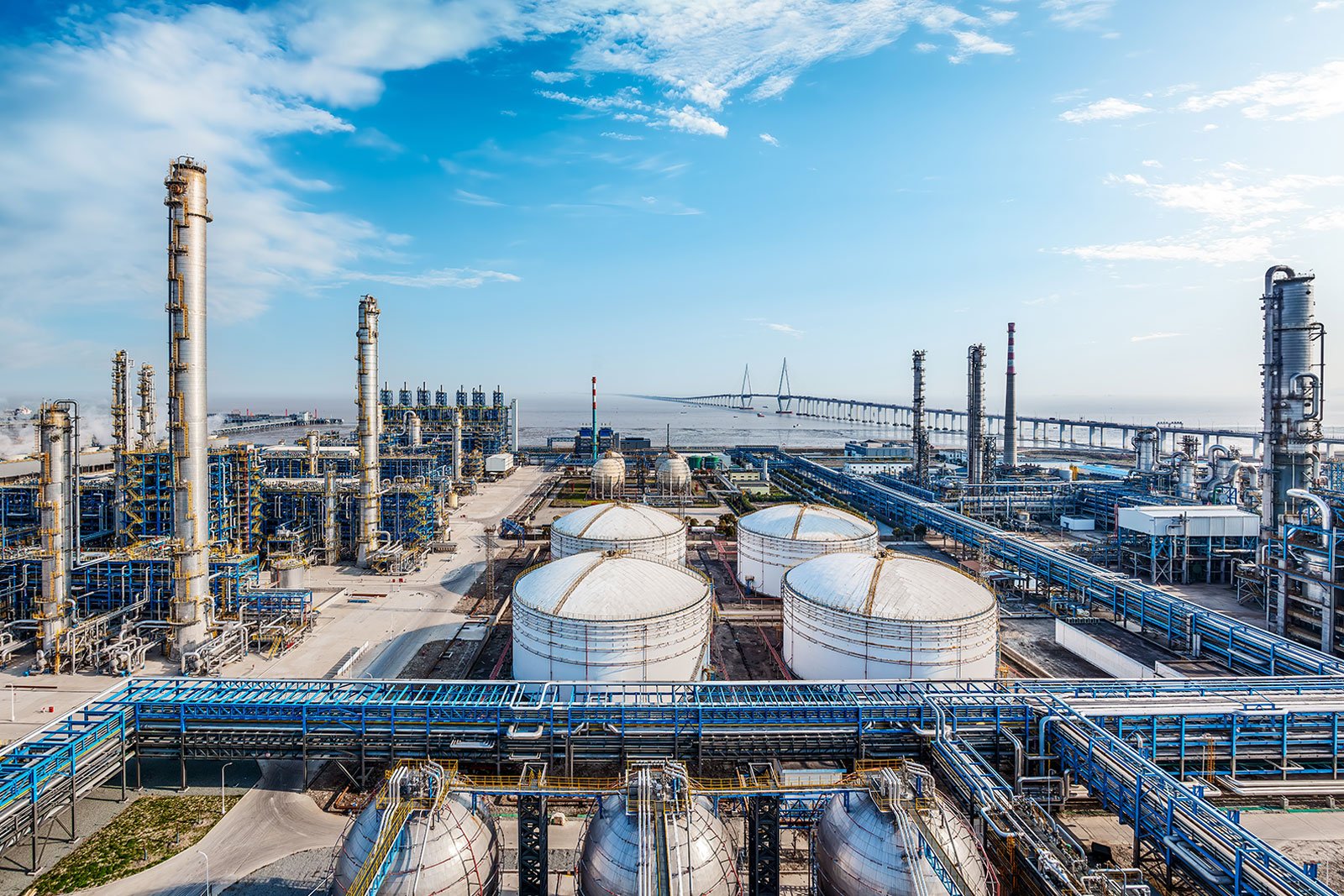
Stainless steel plays a crucial role in the petrochemical and chemical industries, where materials are constantly exposed to corrosive agents, high temperatures, and extreme pressures. Its excellent resistance to acids, alkalis, and chlorides makes it ideal for handling chemical fluids and gases. The material’s strength, durability, and ability to maintain integrity under demanding conditions ensure safe and long-lasting operation. Hanhuang supplies a full range of stainless steel grades and forms engineered to perform reliably in refineries, chemical plants, and processing facilities.
Stainless Steel for Petrochemical & Chemical Processing In China
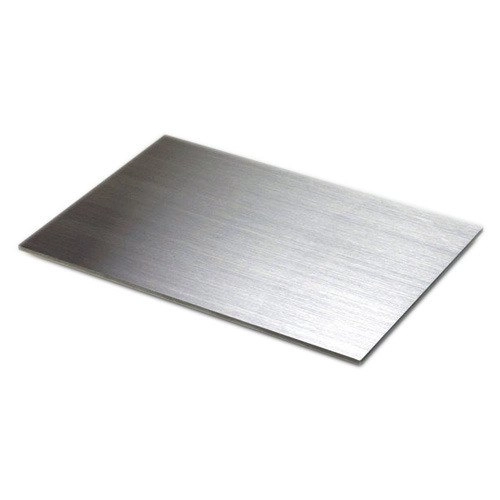
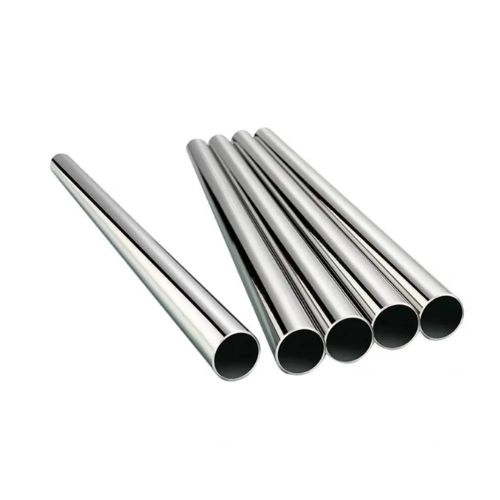
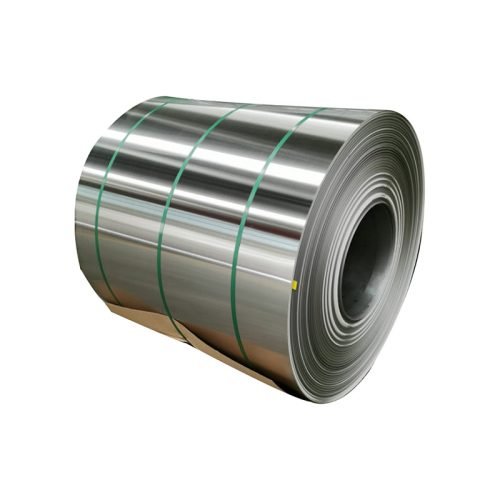
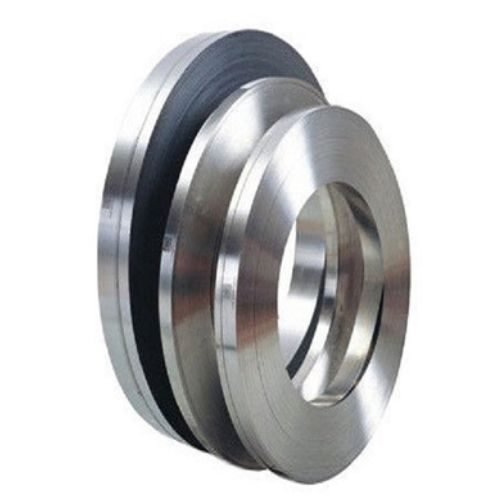
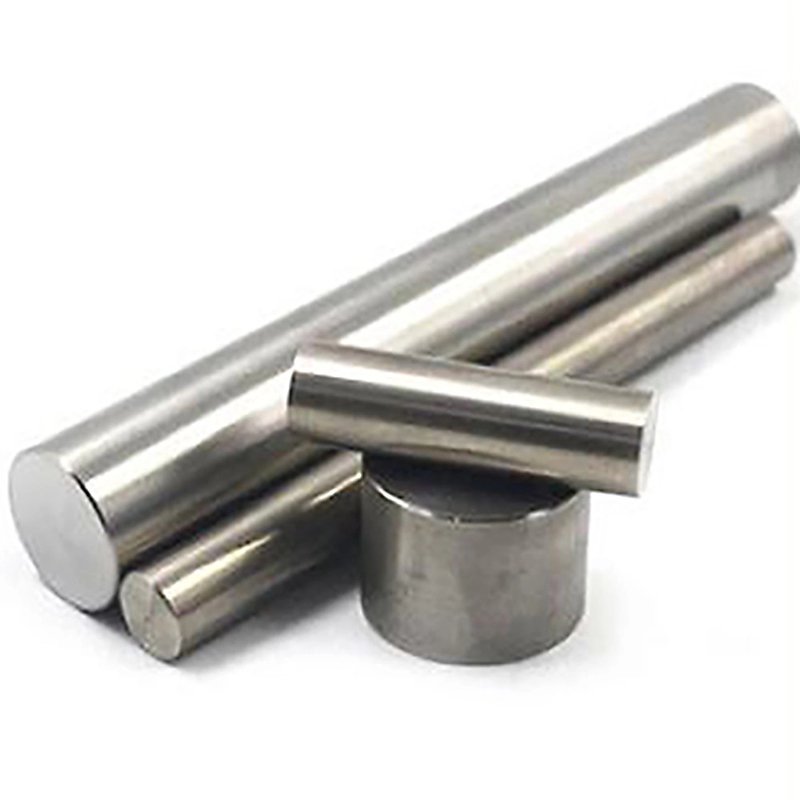
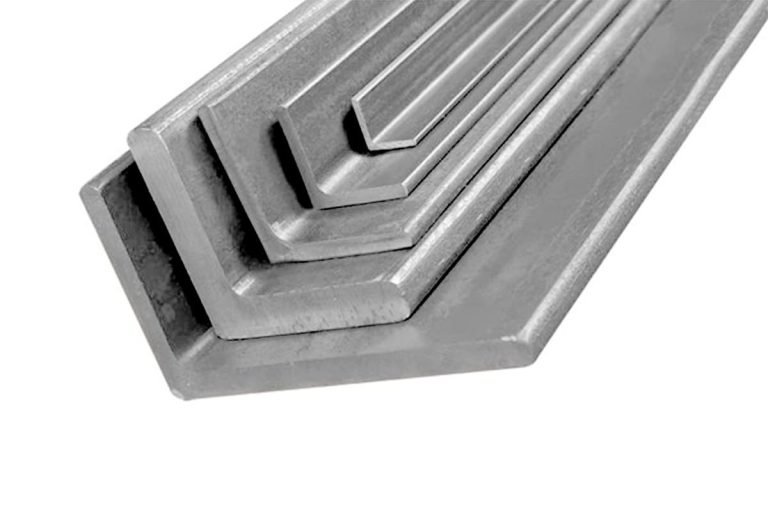
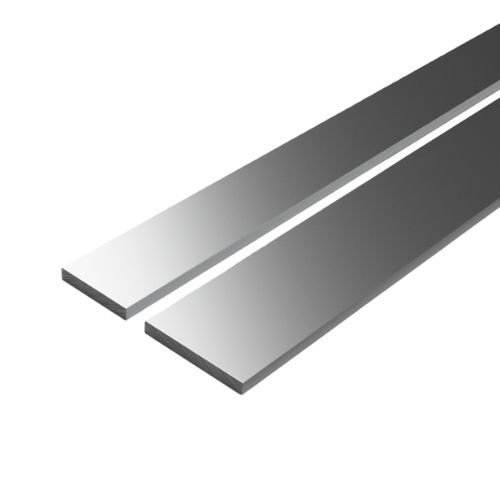
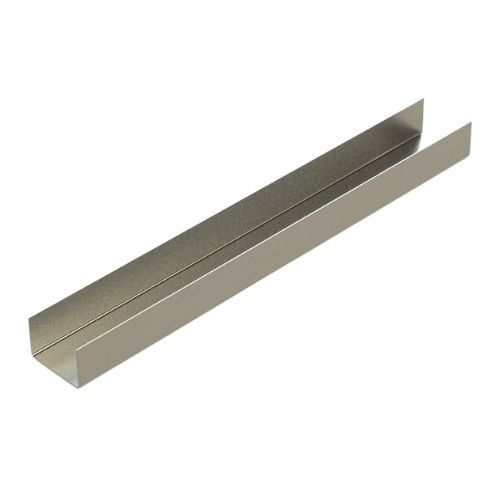
Stainless Steel Shape You Can Choose
Common Stainless Steel Product Forms for Petrochemical & Chemical Processing
Hanhuang provides stainless steel in various product forms to suit diverse petrochemical and chemical applications. Sheets and plates are used for tanks, reactors, and pressure vessels, while pipes and tubes support fluid and gas transport. Bars and rods serve in mechanical parts and fittings, and coils or strips are used in fabrication and welding processes. We also supply flanges, valves, and customized components such as pump casings, filter housings, and instrumentation parts—engineered for strength, precision, and corrosion resistance.
Common Stainless Steel Grades Used in Petrochemical & Chemical Processing
Hanhuang provides a wide range of stainless steel grades ideal for the petrochemical and chemical industries. Austenitic grades like 304, 304L, 316, 316L, 317L, 321, and 347 offer excellent corrosion and heat resistance. Ferritic grades such as 430 and 446 ensure durability in less aggressive conditions. Martensitic options like 410, 420, and 440 provide superior strength and hardness. Duplex and super duplex grades (2205, 2507) combine high strength and corrosion resistance, while high-performance alloys such as 904L, 254SMO, and Alloy 20 excel in highly corrosive environments.
Corrosion & Heat Resistance Performance
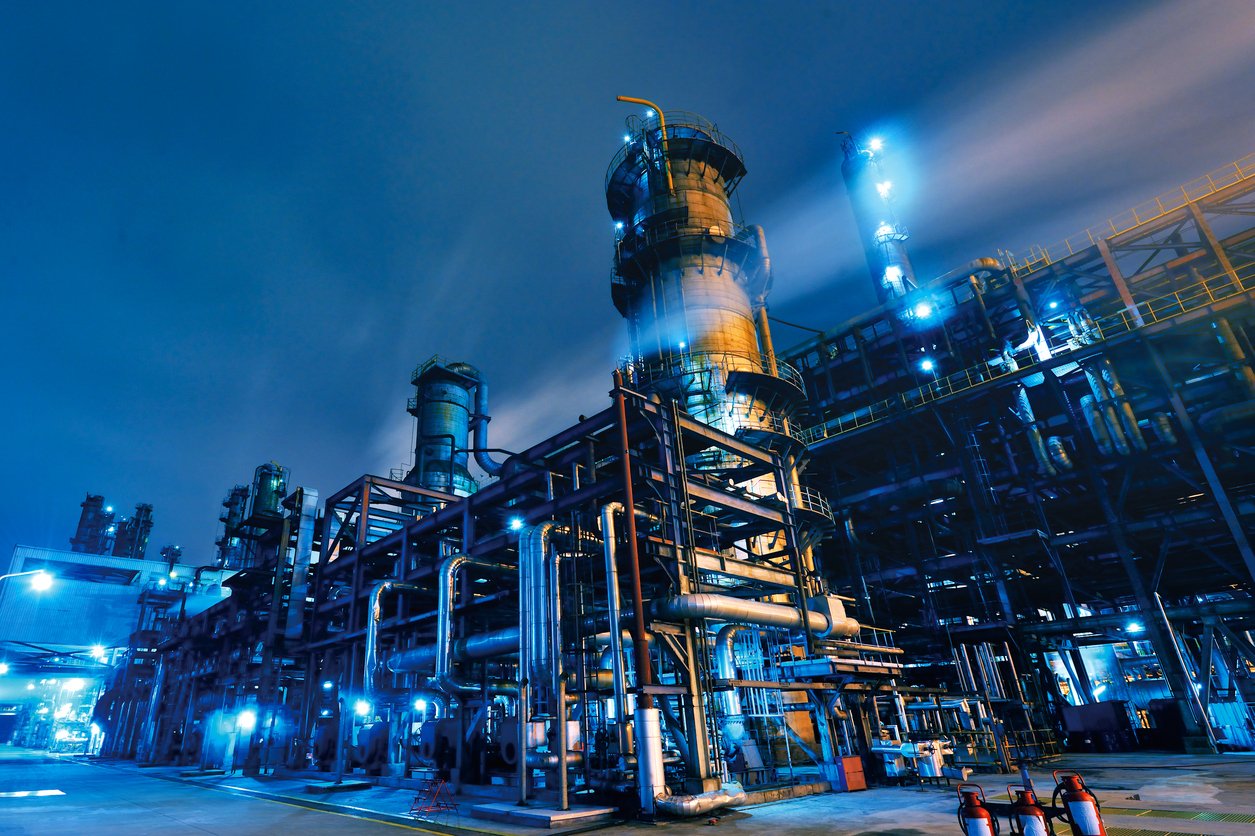
Hanhuang stainless steels are engineered to perform in aggressive petrochemical environments. They resist acids, alkalis, and chlorides commonly found in processing systems, while maintaining stability at elevated temperatures. The alloys deliver excellent resistance to oxidation, stress corrosion cracking, and pitting even under continuous operation. This ensures longer equipment life and dependable performance in harsh chemical and thermal conditions, making them suitable for both upstream and downstream applications.
Which stainless steel grades are commonly used in petrochemical and chemical processing?
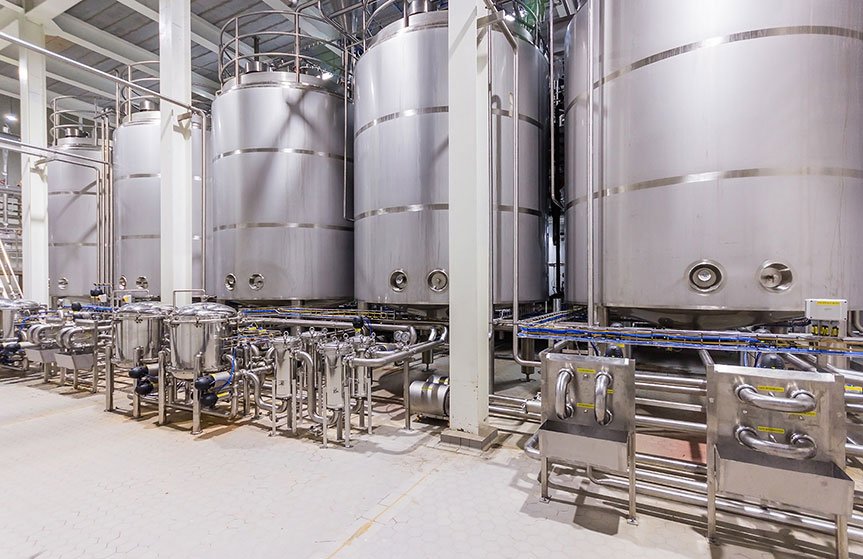
In petrochemical and chemical processing, commonly used stainless steel grades include 304 and 304L for general corrosion resistance, 316 and 316L for enhanced resistance to acids and chlorides, 317 and 317L for stronger resistance in highly corrosive chemical environments, 321 and 347 for high-temperature service, 904L for highly acidic or oxidizing conditions, duplex 2205 and super duplex 2507 for applications requiring high strength and excellent resistance to pitting and stress corrosion, and 6Mo alloys like 254 SMO for extremely aggressive chemical environments.
Why is stainless steel widely used in petrochemical and chemical plants?
How does environmental exposure influence the choice of stainless steel?
Are high-temperature stainless steels necessary in chemical processing?
Yes. Grades such as 321 and 347 are suitable for high-temperature processes where intergranular corrosion could occur. These stabilized austenitic steels maintain mechanical strength and corrosion resistance under repeated heating, such as in reactors, furnaces, or distillation units.

