


The stainless steel market has been experiencing price fluctuations due to a variety of factors including raw material costs, global demand, and environmental regulations. As one of the most versatile and durable materials, stainless steel is widely used across industries such as construction, automotive, food processing, and energy, which drives its demand.
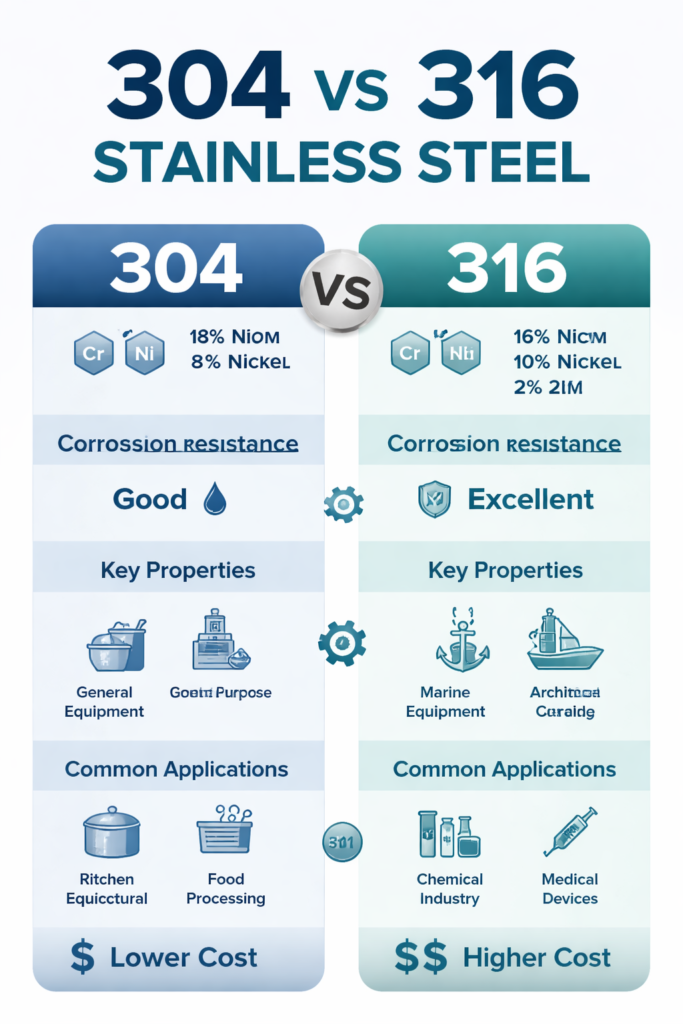
A major factor influencing stainless steel prices is the cost of nickel, a key alloying element in many grades of stainless steel, such as 304 stainless steel and 316 stainless steel. As nickel prices fluctuate, they have a direct impact on the overall production costs of stainless steel. Similarly, the costs of chromium, molybdenum, and other raw materials like ferrochrome also contribute to the volatility in pricing.
Global demand for stainless steel has remained strong, especially in emerging markets in Asia. Countries like China, India, and Vietnam are driving much of the growth due to rapid industrialization, increased infrastructure projects, and urbanization. This demand is particularly high for corrosion-resistant stainless steel grades, which are essential in sectors like construction (for stainless steel pipes, plates, and sheet metal), automotive (for exhaust systems and parts), and food processing (due to its resistance to corrosion and ease of cleaning).
In addition to demand-side factors, supply chain disruptions and rising shipping costs have also affected stainless steel pricing. The pandemic, geopolitical tensions, and trade policies, such as tariffs on imported stainless steel, have further complicated global supply chains. Moreover, environmental regulations aimed at reducing carbon emissions have led to production capacity restrictions, impacting supply.
Looking ahead, stainless steel prices are expected to remain volatile, influenced by the ongoing fluctuations in nickel prices, global demand from industrial sectors, and supply chain challenges. For buyers, it is crucial to stay updated on stainless steel market trends and plan procurement strategies accordingly. This includes considering long-term contracts, bulk purchasing, and diversifying suppliers to mitigate risks associated with price volatility.
By understanding these dynamics and staying informed, businesses can better navigate the challenges of an ever-changing stainless steel market.
